


Guzheng vs Guqin - Which Chinese Zither Is Right for You?
They look similar. They sound completely different. And they attract very different kinds of people. This guide helps you understand which one fits the musician you want to be.
Both the Guzheng and the Guqin are traditional Chinese zithers - strung with strings that run lengthwise across a wooden body, with the power to stop a room. But sit down with a Guzheng teacher and a Guqin teacher on the same afternoon, and you'll quickly realise you're being introduced to two completely different musical worlds.
We teach both at Eason Music. And the question we hear most often - which one should I learn? - doesn't have a single right answer. What it has is a more useful question in return: what kind of musician do you want to be?
What Each Instrument Was Built For
Before getting into practicalities, it helps to understand what each instrument was originally made for - because that purpose still shapes the learning experience today.
The Guzheng was made to be heard. With 21 strings, movable bridges, and a bright, resonant voice that fills a room, it has always been an instrument of expression and performance - heard at court banquets, theatrical performances, and now concert stages and school CCAs across Singapore. It wants an audience.
The Guqin was made for something quieter. One of China's oldest instruments, with a history stretching back over 3,000 years, it was the instrument of scholars and philosophers - played alone, for oneself, as a form of self-cultivation rather than entertainment. Its seven strings produce a sound that is soft, deep, and contemplative. Confucius played it. That lineage is present in every lesson.
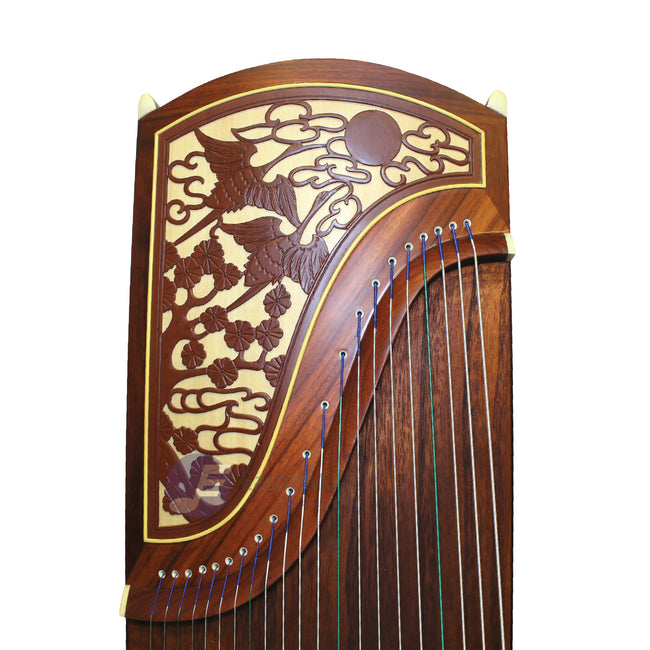
21 strings, bright and resonant. Built to fill a room and connect with an audience.
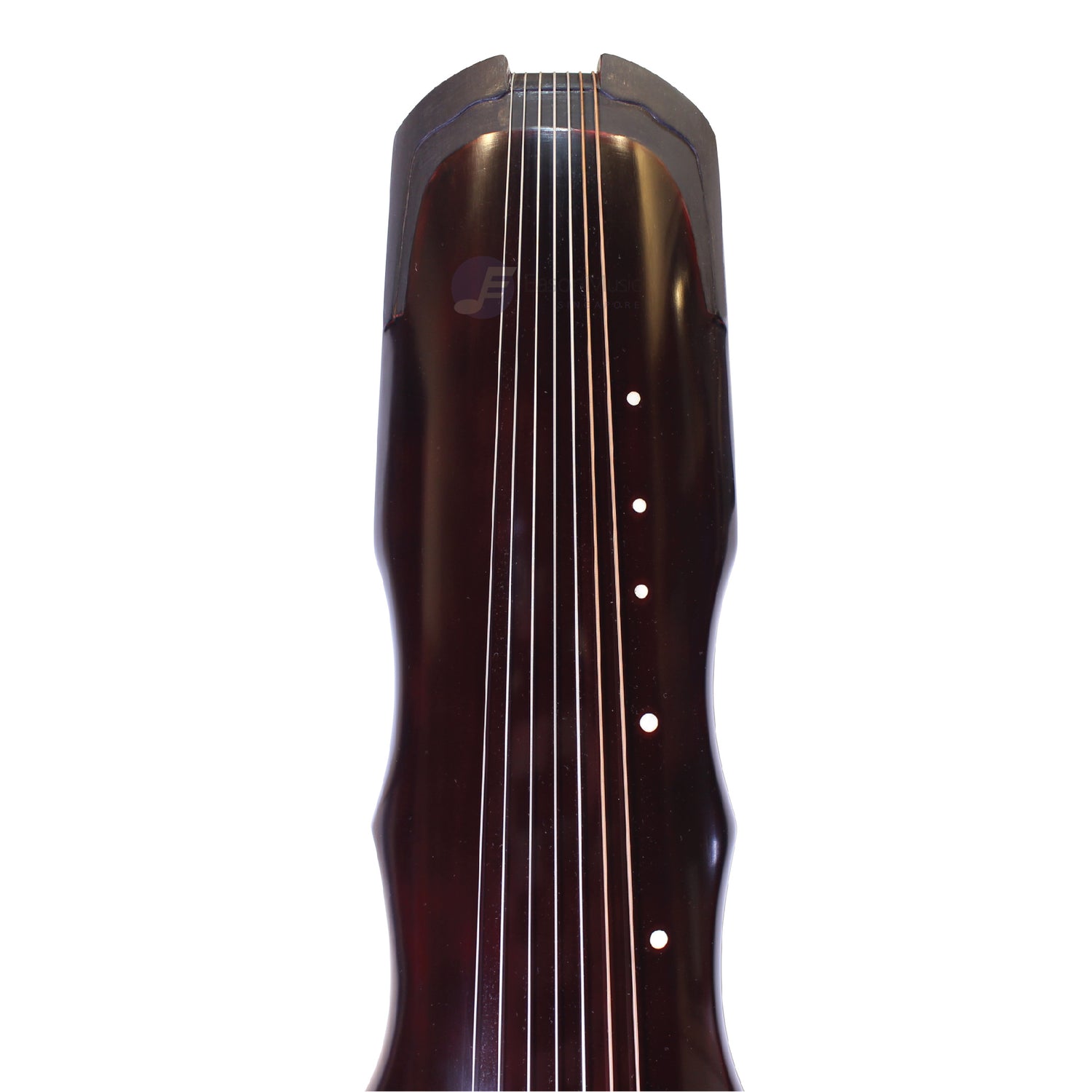
7 strings, soft and intimate. Built for quiet contemplation and personal practice.
Neither philosophy is better. But they attract very different people - and recognising which resonates with you is the most honest starting point.
Early Progress - What to Expect
This is where most beginners make up their minds, often without realising it.
Guzheng - You'll Sound Good Almost Immediately
The Guzheng is tuned pentatonically, which means that almost any combination of strings produces something that sounds harmonious. From the very first lesson, students can pluck out a recognisable melody. The finger picks used for Guzheng playing make tone production feel natural - press and pluck, and you get a clear, satisfying sound right away.
For students who need early wins to stay motivated, the Guzheng delivers them. The learning curve feels rewarding from day one, and that momentum tends to carry people through the harder stages that come later.
Guqin - The Instrument That Asks You to Slow Down
The Guqin is a different experience entirely. It is fretless, which means precise finger placement is everything - there are no raised frets to guide you, only muscle memory developed over time. Tone production requires careful technique: harmonics, slides, and vibrato each need their own practice before they sound the way they should.
In the first few weeks of Guqin study, you are not really learning songs. You are learning how to listen - to your own touch, to the resonance of the wood, to the space between notes. For many students, that depth is exactly what drew them to the instrument. But if you were hoping to play something recognisable by lesson three, the Guqin will ask for your patience.
Practical Upkeep in Singapore's Humidity
Both instruments are made of wood, and Singapore's humidity means both need basic care - keep them in a ventilated room, away from direct sunlight and air-conditioning vents that cause rapid temperature changes. In that sense, they're equally sensitive.
Where they differ is in how much effort it takes when something needs attention.
Changing Strings
The Guzheng has 21 strings, but replacing them is manageable for most people. The process is straightforward enough that a student who has never done it before can follow a tutorial and handle it at home.
The Guqin is a different matter. Its seven silk or nylon-wrapped strings are tied using a complex knotting process that many players find challenging even after years of practice. Most Guqin owners bring their instrument to a specialist when strings need changing - it's less a DIY task and more a visit to a luthier.
Tuning
The Guzheng is tuned using a tuning wrench, which gives you precise control. The Guqin is tuned by hand - twisting the tuning pegs directly - which requires both strength and a well-trained ear developed over time.
For a busy adult learner or a parent managing a child's instrument between lessons, the Guzheng's lower maintenance threshold is a real practical advantage worth considering.
Can You Play Modern Music on It?
If playing Mandopop, film themes, or contemporary Chinese fusion music is part of your vision, the Guzheng is the clearer choice.
With 21 strings spanning multiple octaves, the Guzheng can play melody and harmony simultaneously - chords and melodic lines at once, the way a pianist might. It has strong projection, making it equally at home in a solo setting and in an ensemble.
The Guqin can technically play pop songs, but it's an uncomfortable fit. Its seven strings offer a more limited range, its tone is soft and intimate by nature, and the instrument was simply not designed for the harmonic complexity of modern arrangements. You can adapt it, but you'll always be working against the instrument's character.
If you want to play traditional Chinese classical music in a deeply personal, contemplative way - the Guqin's quietness is a feature, not a limitation. But if you want versatility across different styles and settings, the Guzheng is the more practical choice.
A Quick Comparison
| Feature | Guzheng 古筝 | Guqin 古琴 |
|---|---|---|
| Philosophy | Performance & Expression | Self-Cultivation |
| First Lesson | Playing a melody from day one | Building tone and technique first |
| Sound | Bright, resonant, projects well | Deep, mellow, intimate |
| Strings | 21 strings | 7 strings |
| String Changing | DIY-friendly | Usually needs a specialist |
| Tuning | Wrench - straightforward | By hand - requires experience |
| Modern Repertoire | Excellent - pop, orchestra, ensemble | Limited |
| Best For | Performance, CCA, DSA, ensemble | Personal practice, traditional classical |
Choosing Between the Two
Both are beautiful instruments worth learning. The question is which one fits where you are right now - and where you want to go.
- Want early progress and tangible wins
- Enjoy performing for others
- Want to play modern repertoire alongside classical pieces
- Prefer a bright, commanding sound
- Have goals around CCAs, DSA, or ensemble playing
- Want a lower-maintenance instrument
- Are drawn to meditative, introspective practice
- Value the depth and philosophy behind the instrument
- Are happy to invest time in technique before playing full pieces
- Want something that rewards patience with something deeply personal
- Are primarily interested in traditional classical Chinese music
If you're still unsure after reading this - that's completely normal. The honest answer is that words only get you so far. Hearing both instruments in person, even briefly, usually makes the decision clearer than any comparison guide can.
Not Sure Which One Is for You?
Come in for a trial lesson. Our teachers will let you hear both instruments, understand what each one asks of you, and help you figure out which one fits - without any pressure to commit.
Book a Trial LessonTrial lessons are $50 and available for both Guzheng and Guqin. Have questions first? Drop us a message and we'll help you decide.


